Category: All Topics
-

How to Create Buy-In from Employees During Change Management: Best Advice for Leaders Who Are Managing Change
Most organisations will experience change at some point, whether it’s a merger, acquisition, new product launch or the introduction of a new system. Change can be exciting but it can also be challenging for employees. The responsibility for effective change firmly rests with good leaders, who need to ensure that their team is on board with the changes that are taking place. In this blog post, I will discuss some tips for creating buy-in from employees during change management.
Change management is often difficult because it challenges the status quo. Employees may be hesitant to change their ways or adopt new processes. It’s important for leaders to explain why change is necessary, especially where there may be a sense of urgency around it. They should also be prepared for resistance from employees and have a plan to overcome it.
The most effective way to create buy-in from employees is to involve them in the change process. Leaders should engage with their people to obtain input and feedback from team members and be prepared to take their concerns into account. Employees will feel more invested in the change if they have a say in why it is necessary and how it is implemented.
Communication is another key factor in change management. Leaders need to be clear about what changes are taking place and why they are necessary. They should also keep employees updated on progress and let them know when things change or if there are any delays. Transparency is crucial during times of change, as it helps to build trust between leaders and employees.
Change management can be a challenging but rewarding process. By following these tips, leaders can create buy-in from employees and make the transition smoother for everyone.
Leading your team through chaos and complexity during change management
COVID has created chaos and complexity in our working lives. It would be reasonable to say that we have never before experienced such a time of disruption in the world, certainly not in our lifetime.
So how do you lead through that?
Good leaders will adjust the way that they interact with people. Leaders have to be more understanding when people talk about some of their own personal challenges in the workplace and recognise the need for more flexibility. In reality, effective management of the chaos can only be achieved by unpacking the complexity and creating greater flexibility in the work environment.
If your organisation has a hierarchical and structured environment, leaders will need to implement changes to encourage less formality. Take time to connect with people, talk about some of the challenges, both personal and professional. Acknowledge how these changes have come about and their impact on the organisation, whether they were created by organisational change or not.
As a leader, you will recognise that chaos has resulted from a variety of internal and external factors, especially where the business has changed due to COVID. If the organisation needs to go through a period of structural change, you want to minimise the likelihood of creating further chaos by ensuring transparency and effective communication throughout the process.
Ask your people for their input to ensure they feel heard and engaged in the change management process
When a leader decides that the organisation needs change, they need to approach team members and discuss the problem. Leaders need to outline why it’s a problem and highlight that change needs to be made, then ask them for input about a solution.
Many great leaders already know what is needed to resolve the problem make the change, that’s why they’re the leader. However, by engaging team members and providing a platform to receive their perspective on what is needed to fix the problem, leaders create ‘buy-in’ – giving employees a strategic overview and a sense of helping the organisation to resolve a problem.
Good compassionate leadership is about engaging with team members. When a leader identifies a problem, it’s best to consult the team in a shared way “This is our problem, what do you think we should do to fix it?” In this way leaders can gain insight and they leave employees feeling that they have been heard and engaged in the process, giving them a sense of being valued.
Tell your team that organisational change is coming
The key component of any effective change management process is good communication. Once the decision for change has been made, leaders should deliver clear and consistent messaging about why the change is necessary, across multiple mediums and across the whole organisation. Many leaders operate on a ‘need to know’ basis, however, it is good practice to provide broad strategic information to all members of the organisation when change is planned. Such communication should outline how that change process provides the solution for the problem and how it is actually going to look when rolled out across the organisation.
Depending on the size of the organisation, some changes may be small and may only affect one team. However, by drawing attention to the issue across the organisation, good leaders demonstrate their effectiveness at solving problems. By highlighting the strategic need to resolve the problem, leaders help employees to understand why it’s a problem for the business.
Failure to communicate the rationale for change, even if it’s only a small change, will result in a lack of support for the rollout of that change. Worse, leaders may experience active resistance to the change.
Why change management fails in most companies
Most change management fails because people don’t take the time to communicate the problem that the change is actually going to solve. The strategic rationale for the change is not effectively communicated.
Leaders often seek to demonstrate their value by wielding power and may make changes to exert authority. As new leaders to an organisation, many want to make a mark and decide to change something because it worked in a previous organisation.
However, when the people on the ground are the ones who are required to implement the change, it is really important that communication around the problem that needs to be solved by making the change. It’s the consultation that creates buy-in. Without buy-in, your change process will fail.
Good leaders take time to assess the situation before proposing change. If a change process is rushed it will be met head-on with more resistance. Take time to settle in before proposing significant change, at least three months in a new role. It takes that long to assess the lay of the land.
Problem is that a lot of roles are sold to leaders as a ‘We really need somebody to come in and hit the ground running!’ But hitting the ground running does not mean change.
Be comfortable and confident in your ability as a compassionate leader. Take time to assess the situation, determine the problem and potential solutions before you talk to your team. Clarify for them what the problem is and ask what they would suggest solving the problem.
When the need for change is understood, the process will happen and be relatively painless. The employees feel that they understand the rationale and they are on board with it.
Would you like to learn more about how to set the stage for change in your organisation?
Here are four ways how we can help your organisation to better support your people:
- Assess your organisation’s ‘Psychological Injury Risk’ with our free assessment
- Book a Discovery Call
- Check out our evidence-based programs designed to improve mental health for all levels in your workplace
- Join me for the next upcoming Webinar (I run these monthly) or weekly Live streams (every Wednesday 12:00pm Sydney time) on LinkedIn

Reframe . . . Respect . . . Recover!

- Assess your organisation’s ‘Psychological Injury Risk’ with our free assessment
-

Prince Harry and Trauma
Recently I had an article released in The Canberra Times talking about “The Me You Can’t See”, the combined Oprah and Prince Harry mini-series which discusses mental health, including Harry’s own experiences which lead to him taking his wife and family and leaving the UK.
Back in February, after the Duke and Duchess of Sussex aired their initial interview with Oprah, I prepared an article in response to something I had read in the New York Journal from Bessel van der Kolk, the author of “The Body Keeps the Score”. Bessel van der Kolk is a psychiatrist who is well-known for his trauma expertise, and normally I would say that he speaks a lot of sense. I met him in Spain almost a decade ago, and he has previously shared a lot of wisdom in his approach, especially about the physical manifestation of trauma in the body. However, in this particular article, I was really surprised because Bessel claimed that just because Prince Harry had lost his mother, this was no guarantee that there was any traumatic impact. I was shocked! I just couldn’t believe what he was saying.
Of course, the death of Prince Harry’s mother was going to have a traumatic impact on him
Prince Harry’s story makes perfect sense. He hates the UK media with a vengeance because, in his mind, they are the ones that are responsible for his mother’s death. The way he views it, they murdered her.
Is he ever going to have a great relationship with the tabloid media? Of course not.
The approach taken by Bessel van der Kolk was really surprising. Sometimes individuals in certain professions spend an awful lot of time trying to validate their intellectual position on it, rather than actually looking at the experiences that people have as reasonable, and expressing empathy for those experiences.
Harry was watching his wife being chased around by the media, in the same way that they used to pursue his mother when he was a boy. Is that triggering? Absolutely. Does it cause issues? Of course it does! He became distressed, feeling like he was going to lose another woman in his life and he couldn’t protect her. It all makes perfect sense.
Prince Harry talks about using EMDR Therapy to process his traumatic experiences, making everything feel better
You can tell that EMDR Therapy has been effective for Harry, especially when you compare the way he speaks in comparison to others, including Oprah and Lady Gaga in ‘The Me You Can’t See’. When Harry speaks about his traumatic experience, his demeanour is quite different to when Lady Gaga, Oprah or others in the series open up about their mental health challenges. While many can be seen to be still highly emotional about their experiences, Harry is able to recall his experiences calmly and with clarity. That’s not great editing, that is how EMDR Therapy processes the negative emotions associated with the traumatic experience.
The Duke of Sussex supports that attitude that I have spoken abut for many years, which is the need to support humanity to build mental resilience. That is the reason I developed the Mental Muscle Method 12-week program looking at building psychological awareness and increased resilience. This method is focussed on how we prepare people for emotional challenges or difficulties and provide them a range of strategies that assist them to build self-awareness to help them move through it and get on with life.
Reframe . . . Respect . . . Recover!

-

Emotional Vibration and Micromanagement
Micromanage
/ˈmʌɪkrəʊmanɪdʒ/ – control every part, however small, of (an enterprise or activity)In organisations where people feel that they are being micromanaged, not trusted or given autonomy over their work, the vibrational elements of their emotions tend to give off negative vibes. Similar to that feeling when you walk into a room and you could cut the air with a knife because two people have been arguing. You get this automatic feeling that you don’t want to be there.
In my most recent book “The Trouble with Trauma”, I talk about how emotions vibrate. In a workplace, you can notice when you walk into a space that it feels as if the energy is low and quite heavy. Often people in these workplace’s, will state that they feel quite despondent. They don’t really have a sense of autonomy over what they are doing, nor do they feel like they are trusted to get on with the job.
This is where micromanagement becomes a big part of the problem.
Micromanagement tends to occur because people become overly controlling about things that they want to have happen in the workplace. Usually individuals feel they’re being let down by other employees, they are not being supported and this can lead to feelings of frustration and ultimately, tighter controls. This can occur for a whole range of reasons, but some people naturally try to cope with daily stressors by micromanaging their people.
However, when we take control of the outcomes, impose on other people and go over the top of them to make sure they are doing everything right, they tend to just stop doing anything. Many times, in trying to manage our own anxiety about getting it right, we imply a lack of trust in the person that we delegated the task to.
This causes a much bigger problem in the workplace!
It is about having a better awareness point. If you can see that you’re getting frustrated and starting to feel as if the work you are assigning is not being completed efficiently, you need to stop and reset. Think about your communication and what it is that is not getting through correctly.
People may feel that what they are doing is not good enough or they are letting people down. But by the same token, they may not truly understand what is required of them. Sometimes people don’t complete things because they don’t feel that they have enough clarity to deliver what is required. This is especially true if they have received negative feedback from previously delegated tasks.
You may need to change the communication pathway, return to the beginning or completely reset. Sometimes this may require an independent third party. All they may need to do is hear what both sides are saying and understanding the communication variation. It is all about perception and sometimes we need to stop and start from the beginning again to work out what the process is.
Understanding where the communication is breaking down, and learning how to structure it so that both parties are on the same page, is what is needed to rebuild trust.
If you’re finding yourself getting frustrated with other workers, you may truly benefit from a third party or internal coach within your organisation. It is a good place to start for someone independent to listen, see both sides, help reset and make a difference. Make sure that you choose someone with great communication and reasoning skills as it can be challenging to help people to see that the issue is about the process, not the person.
Reframe . . . Respect . . . Recover!
-
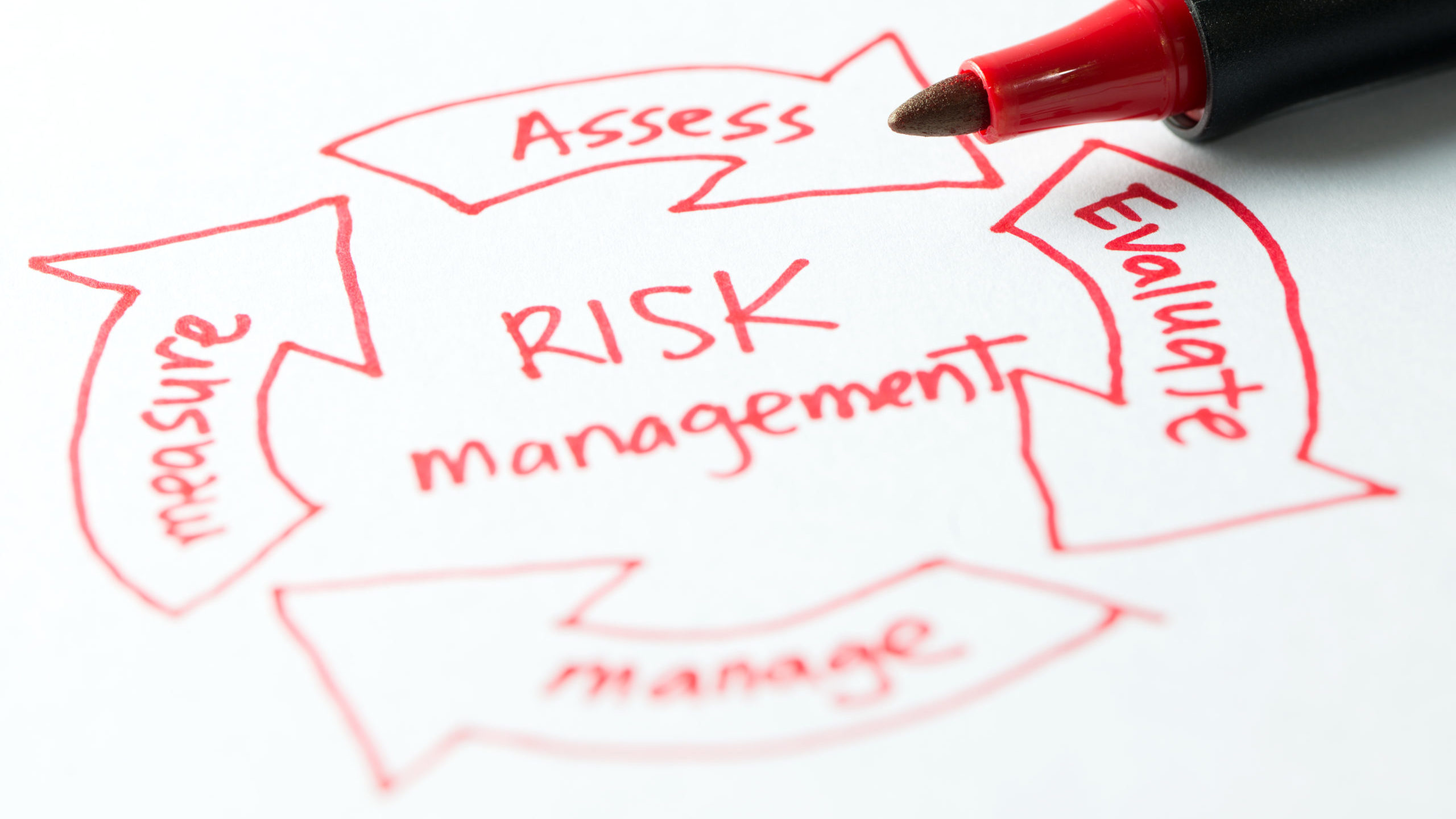
Conservative Risk Assessments
One of the things that tends to happen when we work in frontline service organisations – in particular service organisations like fire, ambulance, police and defence, is that often a conservative risk assessment is applied if a member identifies that something they experienced in the course of their work, has affected them negatively.
Say you attended a particularly difficult incident, then found that you were having nightmares or flashbacks, or something noticeably different was happening in your life as a result of attending that incident. What tends to happen is the organisation will automatically stand you down.
They think they’re helping
Traditionally, the organisation’s approach is to support the member to take a bit of rest, get support or take time off. But often what it does is makes these people feel they are being punished for being honest about their experience, and how that experience has affected them because they are then prevented from doing the role that they love.
Not surprisingly, this approach has meant that members don’t disclose these things… They bottle the issues up, inside themselves.
I often talk to organisations about whether there is an opportunity to undertake less conservative risk assessments. If we encouraged an open dialogue about mental health within the organisation, we would be able to let people talk about how something was affecting them. We would also give them the autonomy to decide whether or not the impact that it was having on their personal lives was impacting their role.
This is not something that we have traditionally done. Service organisations always take a conservative approach, that the member might represent a risk to others. This is something that even the psychology profession has done. Assumed that a person is not operating at the top of their game, therefore we stand them down until we think that they are okay.
We do need to make sure that we’ve done that risk assessment, to ensure that they are not a harm for others, but it should not automatically be assumed that they will cause harm. In reality, when you can build a culture where people are open about how experiences have affected them, you create a culture whereby people feel comfortable and safe acknowledging their emotion.
That’s not a bad thing
We know as human beings that when we experience challenges and difficulties, it impacts us. We need to be talking to each other about how these events happen to us and sometimes one experience can remind us of another experience. Just because that might make us feel sad or upset, impact our sleep, or we might be finding that it’s causing us to feel a bit distressed, is not necessarily a reason to stand somebody down.
If we don’t start changing the way we do this risk assessment and stop forcing people to be punished (as they perceive it), then we’re never going to be able to change it.
It all comes back to giving people autonomy and the insight to know that they can be open and honest about how their experiences have impacted their mental health. But also let them decide what is the right thing for them to do to make it better, and let them heal.
If we educate well enough around what to look for, then they get to decide whether they need time off or not, and we’re going to support them in whatever they decide.
That’s the change that really needs to happen, especially in these frontline workers.
Reframe . . . Respect . . . Recover!
-

Presenteeism vs Absenteeism
presenteeism
/prɛznˈtiːɪzəm/ – lost productivity that occurs when employees are not fully functioning in the workplace because of an illness, injury, or other condition
absenteeism
/abs(ə)nˈtiːɪz(ə)m/ – habitual non-presence of an employee at his or her jobMany believe that the problem with staffing issues from a mental health perspective are about Absenteeism – employees staying at home, not coming to work. In reality, the biggest impact on our productivity is from Presenteeism – employees turning up to work but not functioning effectively.
Presenteeism has had a big impact since COVID. Many people who have been stressed or impacted by changes in their home life feel as if they can’t return to the work environment. Whilst Australia has not had such a significant experience of COVID-19 as other parts of the world, the sudden change of autonomy resulting in an inability to make plans, or catch up with friends and family, can really start to increase our levels of anxiety and result in ongoing feelings of low mood.
People are tired! They’re turning up to work, but they are not effectively engaging. They’re not focussed, cannot stay on task and are not churning out the level of work that they were capable of doing before.
It is the Presenteeism that is our biggest concern.
I try and encourage organisations to focus on their ability to engage their employees in understanding mental fitness. We need to build our capability to be able to weather the varying storms and challenges that life throws at us. If we talk about challenges more openly, we expect that people are going to be more open about their mental health, this bodes much better for a positive work environment.
Whether you have a small business or run a large organisation, if you don’t address the issues of people’s mental health, in addition to their physical health, then you are losing an opportunity to help people work more effectively.
The best way we can do that is by making it okay to talk openly about life’s challenges. It isn’t possible to separate our work and home lives altogether. If we are extremely stressed at home then that is going to show in the work we are able to put out. When we have an employer who is understanding of the fact that life is going to throw everyone curve balls, then we are given the space to be able to recover.
Recovering at work is always better than employees being off work. Recognising that presenteeism in those situations is very real, but understood, will help them get back to their best self as fast as they can. The culture is set by the attitude that is present when they are being affected by these issues.
We try and pretend that our people are not humans – but they are!
When we treat them like human beings, we accept that what they tell us on face value is right, and that it has had an impact on them, then we give them an opportunity to be honest and open. We need to ask how we can help them get back to the best that they can be in the work environment.
In doing so, you create a lot of loyalty, buy-in and support.
Reframe . . . Respect . . . Recover!
-

Mental Health in the Resources Sector
The Australian minerals sector has maintained a vigilant focus on workplace health and safety. Historically, efforts were directed toward the identification and mitigation of physical safety risk, and the promotion of workplace culture that aims to prevent injury to the individual or their workmates. Over the past few years there has been a widening of this focus to include the wellbeing and mental health of those working in the resources sector. There is now a strong body of evidence that attention to mental health in industry can bring substantial benefits. This approach has been supported in principle by the Minerals Council of Australia in their 2015 ‘Blueprint for Mental Health and Wellbeing’.
41% of FIFO workers don’t seek help due to stigma
The main concern with the approach outlined in this ‘Blueprint’ is that there are a number of areas that have been identified as ‘possible actions that the minerals industry, companies, sites or employees may undertake’. In the past five years, there has been little change in the mental health and wellbeing in the resources sector, mainly because no clear actions were taken. In order to achieve a goal, research shows that you have to ensure that certain criteria are met. The Blueprint provided ideas about improving mental health, but didn’t get into the specifics of ownership for the idea or the specifics of the what, where, when, how, who and why. Without specifics that are measurable, and holding someone to account for them, the chances of success pale into insignificance.
39% of FIFO workers are stressed by lack of services
To achieve real and lasting cultural change for the sector, there must be specific interventions clearly identified that provide guidance about exactly what activities are going to result in improved mental health and wellbeing for the cohort. They require a timeframe for achievement and a plan for getting there. These outcomes need to be measured and monitored for ongoing and iterative improvement.
Mental Fitness
In fitness, we understand that if a person engages in a 12-week body transformation challenge, they will see many physical and psychological benefits from it. We don’t expect that those benefits will continue if they decide not to maintain their active fitness program and monitor their eating. Yet, we think that if we provide ‘Mental Health First Aid’ or some other one-off training to our people we have ticked the box and they won’t have any ongoing mental health challenges. It’s a ridiculous notion. Maintenance of any skill requires regular use and reinforcement.
Workplace mental health programs have direct benefits in reducing absenteeism and improving productivity and workplace injury claims, alongside indirect benefits to recruitment, retention and staff wellbeing. Programs that address mental health in the workplace can also bring social benefits to the morale and culture of the workplace and to employees and their families. The wider impact of mental health programs in the workplace should not be underestimated. These pathways contribute to the impact on individual health, wellbeing and functioning and contribute to the delivery of broader health benefits to the community.
It’s Not Just Stigma
There is a great deal of focus in the sector that the problems exist due to stigma. Although it may be true that there is a significant level of stigma across the sector, it does not have to be a barrier to help- seeking. In fact, I published research about increasing help-seeking intention in 2018. We can increase help-seeking intention, especially in men, but they need to be hearing the right message.
Sector Lacks Focus
Data on mental health needs within the minerals industry is limited. Research in affiliated sectors has been more robust and some of the outcomes can be extrapolated due to their correlation.
One in five Australian’s report a mental health issue annually, for miner’s it is one in three. That means that there are over 93,000 resources workers (predominantly men) who are likely to be experiencing a mental health issue at any given time. There are several reasons for this including higher than average levels of ex- services personnel, remote working conditions in FIFO/DIDO roles and anecdotal evidence around substance-use. The mental health impacts are not only on the worker, but can have influence on the mental health of their families. The sector employs 2% of the population, but influences over 9% of the population.
Conservative estimates of cost to the industry including lowered productivity are between $320 million – $450 million per year or around $300,000 – $400,000 annually for an average site. However, these numbers were based on the impact of only 10,000 affected employees. The real number is almost 10-fold.
The Solution
In psychological terms we refer to three phases of intervention – promotion, prevention and early intervention. In order to improve the overall mental health of any cohort, we must address all three areas.
The exact interventions utilised in each area require consideration of each individual work environment. In essence, the first step is to undertake a ‘Traumatic Injury Prevention Strategy (TIPS)’ review. This initial piece of work involves review of relevant documentation, in depth discussions with senior staff and provision of a detailed Report that provides insight into what the risk factors are under each of the four areas (People, HR Management, Prevention and Agility). This report outlines a number of Recommended Actions, including the rationale for why these should be taken, backed up by emerging evidence and research.
This provides the organisation with an evidence-based roadmap of options for moving forward, including identification of the options that will afford the quickest return on investment, and improve outcomes for your people into the future.
Recommended actions are aligned with industry specific outcomes combined with the required interventions to ensure that cultural change can be achieved with a clear plan of appropriate timeframes and opportunity for review and iterative adjustments over the course of the project implementation.
Responsibility is Shifting
Implications of poorly managed stressors on the workforce have recently come under International scrutiny. In early 2020, two Director’s of a French Company were found guilty of manslaughter for failing to intervene in the bullying and harassment of a staff member who ultimately took his own life. We know that the resources sector has high rates of suicide amongst it’s employees. How long will it be before these corporations are held to account for their failure to even attempt to improve the mental health of their workers?
Workplace Culture
Research from Beyond Blue highlighted that a dysfunctional workplace is just as likely to cause a person to develop PTSD as being routinely exposed to traumatic experiences.
Male dominated workplace cultures do not support their people to express emotion or share the impact of their experiences openly. The only way that these people can maintain active engagement in the workplace, to which they want to belong, is to repress the impact of these experiences. This action requires the expression of the opposite emotion to suppress it, resulting in more aggressive behaviour in the workplace.
This results in adding further dysfunction to the work environment and over time, this becomes the new ‘norm’ and sets the culture of an organisation.
Cultural Change
Awareness
Learning
Practice
AccountabilityIndividual corporations need to ensure that these elements are in place, they they want to improve culture and enhance the mental health and wellbeing of their people.
Reframe . . . Respect . . . Recover!
-

Validation
validation
/valɪˈdeɪʃ(ə)n/ – the process of learning about, understanding, and expressing acceptance of another person’s emotional experienceOne of the conversations I often have with organisations is about validating the experiences of their employee’s. When conflict in the work environment leads to one person taking stress leave, it is important to validate the stressed person’s perspective, regardless of who or what has resulted in the conflict.
The issue is not about who is right and who is wrong.
The problem is that our society takes a legal approach to validation, we often want to find one person is right and one person is wrong. It is actually this approach that causes the biggest problem, because rather than accepting a person’s perspective of a given situation, we seek to overlay our own perspective. This approach isn’t helpful. In reality, if a person perceives that they are in a situation in which they are so stressed that they cannot be in the workplace, then we just need to validate that person’s experience.
One of the biggest challenges in HR areas and injury management units is that we often put ourselves in that person’s shoes and try and decide whether we agree that they should feel that way or not. It’s human nature. However, it is not our role or place to do so.
It is not appropriate for us to decide whether or not we agree with that person’s perception. Their perception is exactly that – it’s their perception, and we have to manage that.
In order to move forward and attain a solution for the person’s stressful experience, it is essential that we validate a person’s it, regardless of how we believe that we might feel in those same circumstances. In reality, we can not actually determine if we would feel as stressed as this person is saying that they are, because we are not them.
Our role is to support them in what they are telling us they feel. We don’t have to agree with whether we would feel that way ourselves in the same situation or not. It seems unreasonable that we are so used to judging people and trying to put ourselves in another person’s position to determine if that would be how we would feel.
It is not about you or your experience – it is about them and their experience.
The key to actually engaging stressed workers and getting them back to work quicker has to do with validating how they are feeling about their experience, just as they communicate it to you.
It is really hard as human beings to pull back from putting yourself in another person’s position. To show empathy we always say “You have to walk a mile in someone else’s shoes”. In certain circumstance, yes, we absolutely do. However, we should not if it means that you’re going to invalidate the experience that they’re telling you they are having.
To be solutions focussed we first require a clear understanding of the problem – listen and understand THEIR perspective. Then ask them to help you resolve the problem for them and give them what they ask for. If that is a temporary reassignment to a different work area – do it. This will allow them to Recover At Work (RAW). Maintaining their engagement in the work environment, in any capacity, will reduce any likely workers compensation claim and improve their chances of a speedy recovery.
It may seem like a really simple thing, but you would be surprised at how many problems are caused in organisations because we judge somebody else based on our own experiences.
And in reality, we don’t have any right too.
Reframe . . . Respect . . . Recover!
-

Mental Fitness
mental fitness
/mɛnt(ə)l fɪtnəs/ – a personal framework for understanding how to build wellbeing and having a positive sense of how we feel, think and actIt has only been over the past decade that I have focussed more on my physical fitness, to assist with my health and wellbeing, and manage my injuries. Going to the gym multiple times a week helps me to gain and maintain strength and reduces my pain experience from injuries that I sustained over 15 years ago.
In order to be accepted into frontline service organisations, you must be physically fit. There is an expectation that you will maintain fitness even as you get older, as it is always expected you can meet certain minimum fitness criteria.
This is perfectly understandable considering the role itself requires quite a lot of physical fitness. When fighting a fire, you may have to stand with the hose for lengthy periods of time. Or as a paramedic, you may have to lift someone onto a gurney. Police officers may have to chase a perpetrator down. We know that these roles require a certain level of physical fitness.
However, we also know that these roles expose individuals to traumatic experiences, leaving them in a place of psychological vulnerability. We participate in physical fitness, requiring minimum standards and ongoing work to maintain them. So, why don’t we also practice mental strengthening exercises? Training and regular exercises that support us to understand our risk from exposure to traumatic events and how to minimise this risk.
We need to provide individuals with a mental skills toolbox!
To support physical fitness capacity, we usually follow a program. We have personal trainers; we watch what we eat and how we sleep. We can engage in high energy activities like High Intensity Interval Training (HIIT) or lower intensity exercise like Yoga or Pilates. There are a variety of forms of exercise that can improve and maintain physical fitness and we know that these roles require a minimum level of fitness and we require people to maintain that in order to stay in the job.
We know that people in certain industries are going to end up with psychological challenges because of the work they do. What we don’t seem to understand is that there is a range of mental fitness exercises and tools that they should engage with post exposure.
As an industry, emergency services personnel have been told that their physical health is highly important and must be maintained. Yet, their mental health is not even considered until after it has noticeably deteriorated, usually long after the exposure has occurred. In many cases, the status of a worker’s mental health is not observed or addressed until the individual is in a state in which they are no longer able to work.
This is not to be disparaging of any organisation.
From a psychological perspective, we have only looked at mental health from a reactive position, what to do once these people are broken, to help them heal.
There is a lot that we can do to help them recover, however, there is so much more that we can do to intervene earlier in the process. We can help our workers to become mentally fit before they get exposed to traumatic events and help them maintain that fitness.
When we consider rehabilitation for physical injuries, they may take a few weeks out of the gym, engage with some physiotherapy, then get back to exercise ASAP to build up muscle strength. So why don’t we help people to understand the same concept can be applied when we are recovering from a psychological injury?
There are so many things that we can do to help people build mental fitness and prevent them from developing post-traumatic injuries. It is frustrating that we don’t do more to help our people build mental fitness and organisations are missing a significant opportunity to improve the capability of their people.
Just as we expose ourselves to new ways of training our physical body, we need to understand that there are new ways of being able to train our psychological mindset as well.
Reframe . . . Respect . . . Recover!
-

Sexual Assault
sexual assault
/sek-shəl -ə-ˈsȯlt/ – illegal sexual contact that usually involves force upon a person without consent, or is inflicted upon a person who is incapable of giving consentOver the last few weeks, there has been a lot of focus in the media about sexual assault, especially when women are waiting a significant period of time before making a report.
Delays in reporting sexual assault are not uncommon. Many women feel unable to speak up when the assault happens, especially if it has occurred in their work environment, or in a country town or small community. They often feel so ashamed that they struggle to find the inner strength to report. This phenomenon is exacerbated exponentially if women are intoxicated in any way.
Unfortunately, society still places the blame on women for sexual assault.
It is really hard to believe that 50 years after the ‘so-called’ sexual revolution, Australian women are still being chastised for being too attractive or available late into the night.
It is unreasonable to believe that by being intoxicated, a woman’s decision making ability would be so significantly impaired that she couldn’t know whether or not she wanted to engage in sexual intimacy. Many high level men in our country have implied that if a young woman were intoxicated then maybe they don’t remember that they said or did things that implied that they did want a sexual interaction.
Is it any surprise then that women find it difficult to report sexual assault in Australia?
Despite the fact that they feel that their body was violated in a way that was unwanted, they feel ashamed by the belief that somehow they were to blame because they were intoxicated by alcohol or other drugs.
They blame themselves thinking if they had not been intoxicated, then this may not have happened to them. We have this perception, and there is reasonable truth to it, that our inhibitions are impacted by drugs and alcohol and we could have been more forthright if we had not consumed anything.
This is a major issue for our society in general, because having a couple of drinks does not give anybody an excuse to claim that they didn’t know what they were doing, or that they didn’t recognise that they were doing something that was unwanted.
Sexual assaults happen in many ways, but the responsibility for the unwelcome attention should not be placed on women. As a socialist democracy Australia supports equality under law, yet the responsibility for sexual assault still seems to firmly rest upon women and asking the question of whether or not they said ‘No’! Why don’t we ask men whether or not a woman said ‘Yes’?
I find young people appear to have greater emotional intelligence and seem to be more aware of the importance of consent. They have better clarity around a ‘code’ that if someone is intoxicated, then you don’t make a move. It is considered really ‘poor form’ with many young people if you were to be seen taking advantage of somebody who was intoxicated.
Women are entitled to feel safe in their own community.
It does not matter if they are dressed attractively or if someone perceives them as ‘sexy’. This isn’t an excuse. It does not give people the right to step past a certain boundary.
Rather than asking whether or not a woman said no, we should be asking whether she explicitly said yes! The more we educate men to understand that unless they get an explicit “Yes, this is okay”, then it absolutely is not. And we cannot stress that enough!
It might be time for a YES Movement. That men require a #YES2UNDRESS
A movement that encourages women to be open and say “Yes, I agree that this is something I want to do” or it doesn’t happen. We need to flip the onus of responsibility to one that says unless explicit consent is given, then it is an automatic no go zone.
This is not an easy topic. It raises quite a few issues for many women who have found they have had their bodies imposed upon. It does not matter how they were dressed, where they were, what time of day or whether they were intoxicated. None of these factors gives anybody an excuse to take something that does not belong to them.
If you need any support with regards to anything I’ve discussed today, please reach out to your rape crisis centre or any other form of counselling support.
It is time that we learned that unless there is a ‘Yes’, then it is automatically, ‘No’!
Reframe . . . Respect . . . Recover!